On Holding Space
How do people work through conflict? How do we respond to someone else's experiences? Let's look at conflict as energy balance over time. The sender is expressing their emotions as energy into a system. The receiver responds to that pressure. Over time, the energy in the system returns to a stable state. These are five ways people interact through conflict.
Fragility
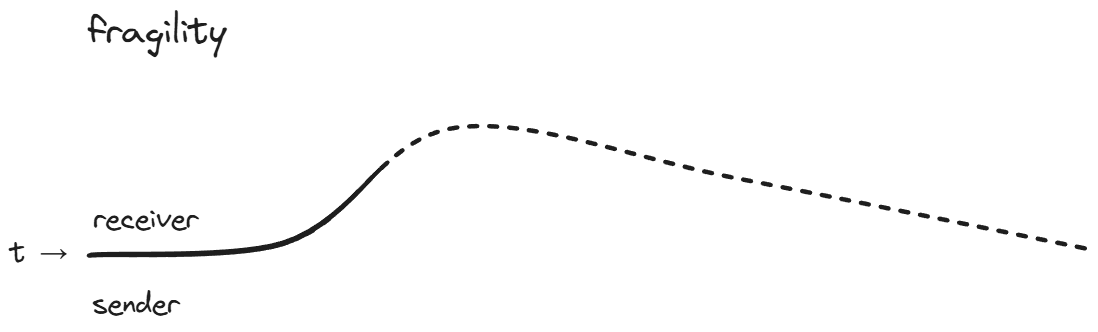
The receiver doesn't manage to hold a boundary for the sender's energy. The receiver shatters, and takes on disproportional energy. The energy balance returns over time, but slowly. There is hurt on the receiver's end. There is frustration on the sender's end. Emotional safety for both sender and receiver is at risk.
Springiness
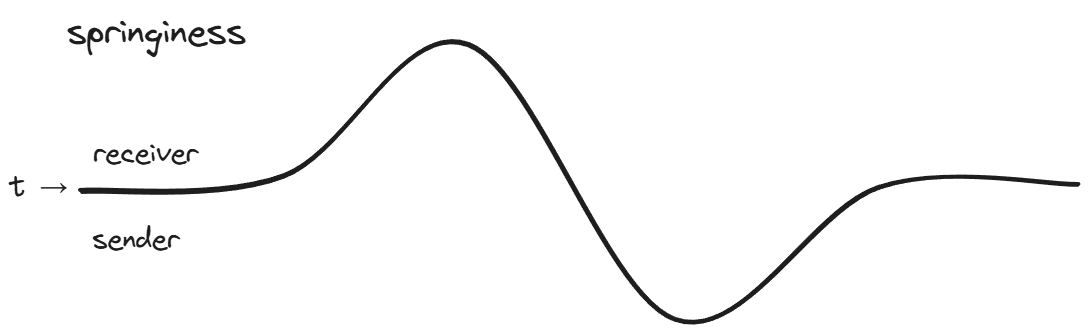
The receiver sends energy back with equal force. The receiver doesn't hold space for the sender. They retaliate or push back. The energy balance bounces back and forth or even escalates. There is frustration on the receiver's end. There is hurt on the sender's end. Trust between sender and receiver is at risk.
Viscosity
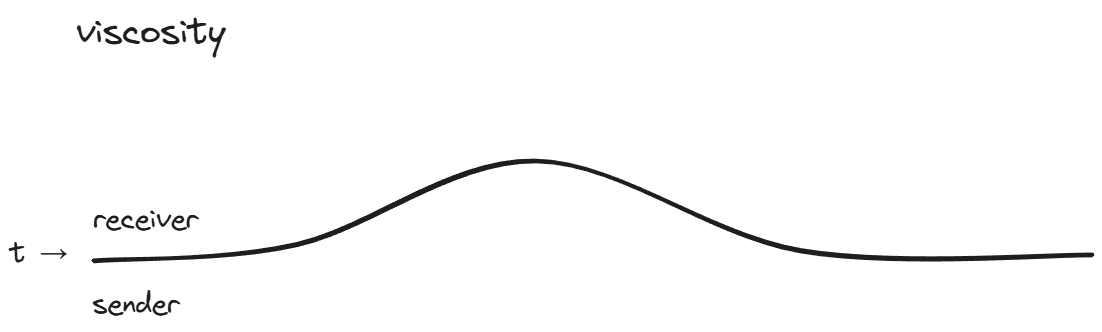
The receiver absorbs the sender's energy without letting it affect their own state. The receiver holds strong space but remains untouchable. The energy balance returns slowly to a stable state. There is exhaustion on the receiver's end. There is loneliness on the sender's end. Connection between sender and receiver is at risk.
Elasticity
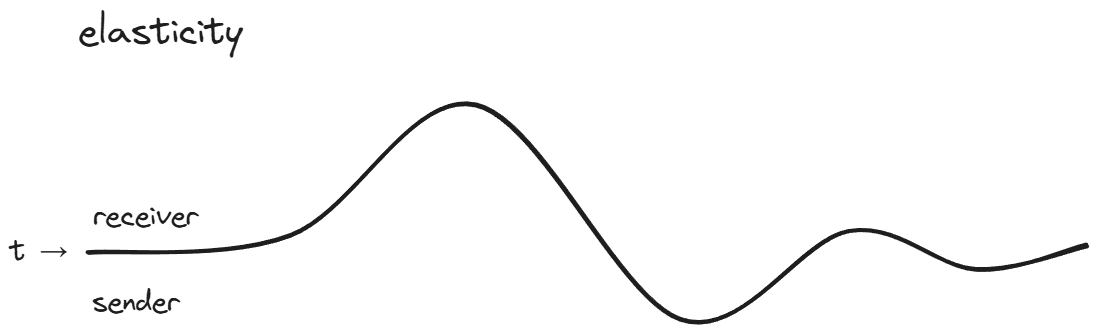
The receiver both holds space and speaks for their own needs. The receiver sends energy back proportionally. The energy balance bounces back and forth a few times before settling into a stable state. There is effort on both the receiver's and sender's end. The relationship between sender and receiver grows.
Resonance
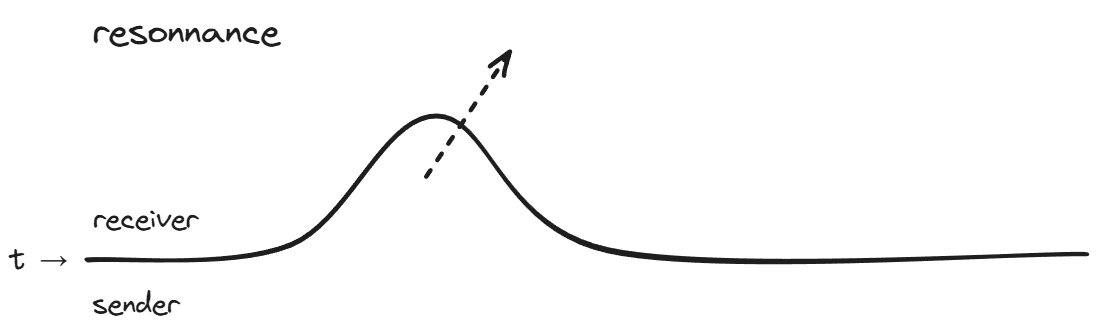
The receiver moves with the sender's energy. The receiver joins the sender's emotional state. The energy in the system temporarily increases as both share the emotion. There is intensity on both the receiver's and sender's end. There is closeness between sender and receiver. The relationship between sender and receiver grows.